

INDUSTRIAL & FACILITY SECURITY
Oil and gas facilities. Mines. Refineries. Utilities. Processing plants. Remote infrastructure.
Industrial security and response teams protect large, complex environments where a single alarm, access breach, equipment failure, or unidentified hazard can quickly threaten personnel and disrupt operations.
Fixed cameras provide essential coverage, but they cannot always see behind machinery, underground, inside confined spaces, or beyond the existing security network.
Bounce Imaging gives teams a rapidly deployable way to investigate incidents, monitor vulnerable locations, and assess difficult or hazardous spaces before sending personnel in.

RAPID INCIDENT ASSESSMENT
See What Is Happening Before Personnel Move In
When an alarm is triggered, responders may have little information about what is happening beyond the nearest fixed camera.
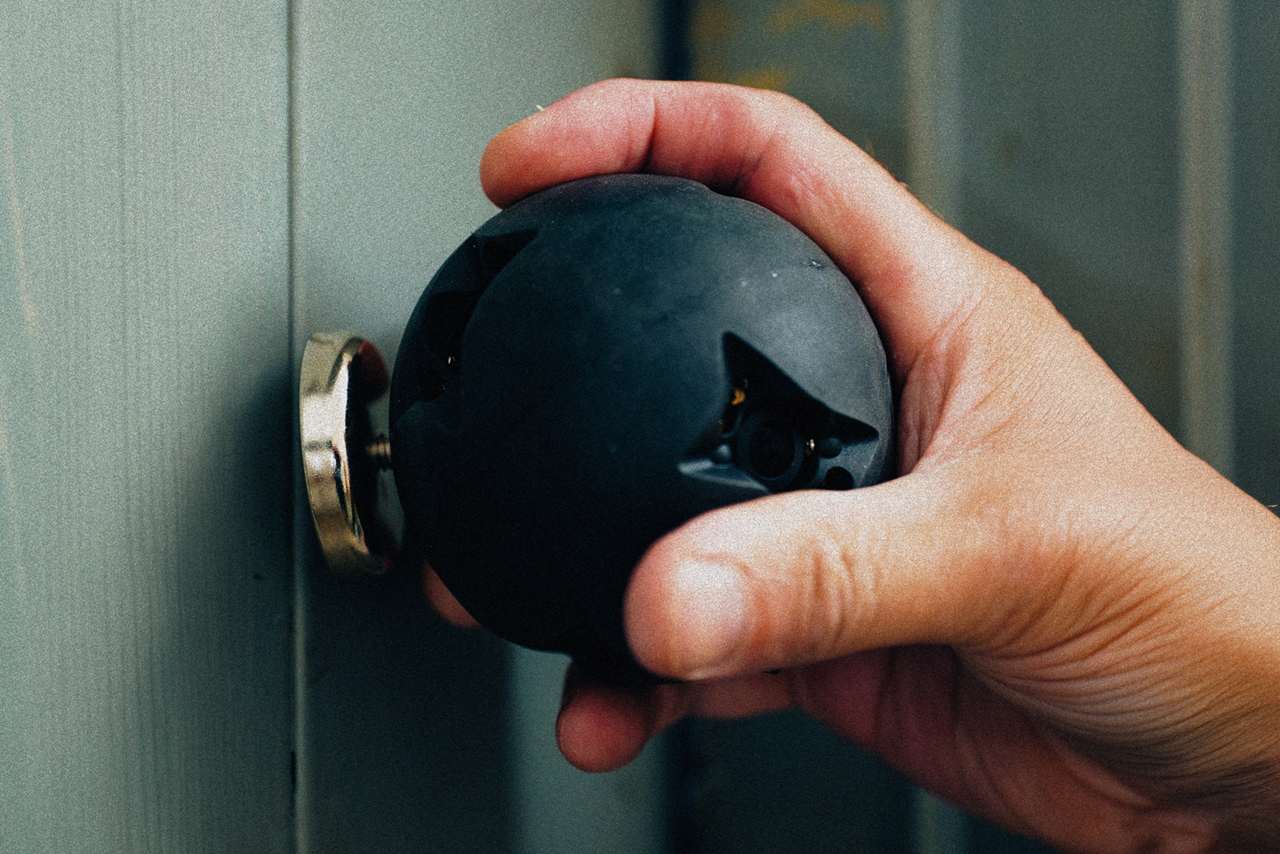
Bounce Imaging cameras can be carried, placed, tossed, raised, or staged ahead of personnel to provide immediate 360° visibility around equipment, through access points, and into areas obstructed from view.
Teams can use live video to evaluate unauthorized access, suspicious activity, abandoned items, equipment alarms, and other security events before deciding how to respond.
Multiple users can independently view different directions from the same camera, helping security personnel, supervisors, and remote stakeholders maintain awareness of the same incident.
Verify the threat. Understand the environment. Respond with better information.
DEPLOYABLE SITE SURVEILLANCE
Add Coverage Where Fixed Cameras Cannot
Industrial sites change constantly. Construction projects, maintenance shutdowns, equipment outages, special events, and temporary work zones can create new vulnerabilities that permanent surveillance systems were not designed to cover.
Bounce Imaging cameras provide a flexible way to add temporary or supplemental visibility without waiting for new fixed infrastructure.
Cameras can be rapidly positioned to monitor:
- Temporary entrances and access points
- Perimeter gaps and fence lines
- Remote equipment and storage areas
- Maintenance and construction zones
- Loading areas and vehicle checkpoints
- Previously cleared spaces during an active incident
MANET-enabled configurations can also help extend video and network coverage across large sites or through structures where conventional connectivity is limited.
Put an additional set of eyes where the operation needs it most.

HAZARDOUS-SPACE INSPECTION
Look Inside Without Sending a Person In First
Tanks, vessels, utility corridors, machinery spaces, pipe racks, equipment recesses, and other confined areas can be difficult to inspect safely. Limited visibility, restricted access, atmospheric hazards, and complex equipment can increase the risk to security and response personnel.
Bounce Imaging’s wireless and hard-line camera systems allow teams to extend visual access into these environments before committing a person.
Security, emergency response, and maintenance teams can use the system to identify hazards, search concealed spaces, assess equipment conditions, and share live video with personnel outside the immediate area.
Thermal-capable systems can provide an additional layer of awareness by helping teams identify temperature differences, heat sources, and areas that may require closer investigation.
See into the space. Reduce unnecessary exposure. Maintain operational control.